


- [Coios View ⑲] Why are there two islands?

유럽 북쪽 해안에서 살짝 떨어진 섬, 아일랜드는 오랫동안 전 세계 여행자들의 발길을 끌어왔다. 이웃 나라 영국과 맞닿은 이 섬은 숨막히게 아름다운 자연경관과 풍부한 켈트 문화유산으로 매일 수많은 방문객을 유혹한다. 그러나 많은 이들이 눈치채지 못하는 것이 있다. 바로 이 섬 한가운데를 가로지르는 보이지 않는 경계선이다. 아일랜드 섬은 북아일랜드와 아일랜드 공화국으로 나뉘어 있다. 그렇다면 왜 아일랜드는 두 개가 되었을까?
그 복잡한 역사는 수세기 동안 이어진 영국의 지배에서 비롯된다. 북아일랜드는 지금도 영국의 일부이지만, 아일랜드 공화국은 독립국으로서 유럽연합(EU)의 회원국이다. 그 이야기는 약 800년 동안 이어진 영국의 통치 시절로 거슬러 올라간다. 아일랜드는 1900년대 초반까지 영국의 지배하에 있었으며, 그 무렵 독립운동이 그 어느 때보다 치열해졌다. 1921년 12월, 영국과 아일랜드는 ‘영국-아일랜드 조약(Anglo-Irish Treaty)’을 체결했고, 이에 따라 아일랜드 자유국(Irish Free State)이 탄생했다. 이는 영국 연방 내에서 자치권을 가진 국가였다.
그러나 모든 이가 이 조약을 환영한 것은 아니었다. 1922년, 조약을 지지하는 세력과 반대하는 세력 간에 내전이 일어났다. 그 사이 북부의 여섯 개 카운티(지방)는 영국 잔류를 원했던 개신교 인구가 다수를 차지했기 때문에 북아일랜드로 남게 되었고, 나머지 대부분의 가톨릭 지역은 완전한 독립의 길로 나아갔다. 내전은 1923년에 끝났지만, 이 분단은 세대를 거쳐 깊은 상처를 남겼다.
그러나 평화는 쉽게 찾아오지 않았다. 수십 년 동안 북아일랜드는 통일을 원하는 민족주의자들과 영국 잔류를 원하는 연합주의자들 간의 폭력 사태로 얼룩졌다. 이 시기를 사람들은 ‘트러블(The Troubles)’이라 부른다. 수천 명이 목숨을 잃었고, 두 공동체 모두 깊은 상처를 입었다. 그러던 중 1998년, ‘벨파스트 협정(Good Friday Agreement)’이 체결되면서 대부분의 폭력이 종식되고, 북아일랜드에 권력 공유 정부가 수립되었다.
오늘날 여행자들은 섬을 가로질러 운전하면서도 국경선을 느끼지 못할 정도로 자유롭게 이동할 수 있다. 정치적으로는 여전히 구분되어 있지만, 두 지역은 문화와 가족, 그리고 평화를 향한 조용한 의지로 그 어느 때보다 가까워졌다.
한국인들에게 이 이야기는 낯설지 않을지도 모른다. 한 땅, 두 체제, 그러나 결국 하나의 맥박이 뛰고 있는 곳. 아일랜드의 오랜 여정은 분단이 영원한 운명이 아님을 보여준다. 시간이 흐르고, 대화가 이어지고, 용기가 더해질 때, 가장 깊은 상처조차 치유의 길을 찾을 수 있다.
*본 기사는 ESG코리아뉴스 프랑스 학생기자 리나 나피(Lina Nafie)의 영문기사로 원문의 내용은 아래와 같습니다.
*This article is an English version written by Lina Nafie, a French student reporter for ESG Korea News. The original text is as follows.
Why Are There Two Irelands?
Author: Lina Nafie
An island lying quietly off the northern shores of Europe, Ireland has for years attracted travellers from all around the world. Neighbouring, United Kingdom, Ireland’s breathtaking landscapes and rich Celtic history draw curious visitors every day. Yet many don’t notice the invisible border dividing the island into Northern Ireland and the Republic of Ireland. Have you ever wondered why there are two Irelands?
The complexity of Ireland’s history led to this division. Northern Ireland is part of the United Kingdom, while the Republic of Ireland is an independent country and a member of the European Union. The story goes back to 800 centuries of British rule. Ireland remained under British dominion until the early 1900s, when the Irish struggle for independence reached unprecedented heights. In December 1921, the Anglo-Irish Treaty was signed, creating the Irish Free State: a self-governing dominion within the British Commonwealth.
But not everyone supported this treaty. A civil war broke out in 1922 between those who accepted the agreement and those who opposed it. Meanwhile, six counties in the north, with a majority of Protestants who wanted to stay part of the UK, became Northern Ireland, while the rest of the island, largely Catholic, moved toward full independence. The war ended in 1923, confirming the partition and leaving deep divisions that would last for generations.
Peace, however, was still far away. For decades, Northern Ireland was torn by violence between nationalists, who wanted to unite with Ireland, and unionists, who wanted to remain in the UK. This period, known as The Troubles, claimed thousands of lives and left lasting scars on both communities. In 1998, a turning point came with the signing of the Good Friday Agreement, which ended most of the violence and established a shared government in Northern Ireland.
Today, travellers can drive freely from one side of the island to the other without even noticing a border. Though politically distinct, both regions are now closer than ever: connected by shared culture, family ties, and a quiet will for peace.
For Koreans, this story might feel strangely familiar: one land, two systems, yet one heartbeat beneath it all. Ireland’s long road shows that division is not destiny. With time, dialogue, and courage, even the deepest wounds can find their way to healing.


BEST 뉴스
-
![[윤재은 칼럼] 집은 늘어나는데, 왜 내 집은 더 멀어지는가?](/data/news/202609/news_1789823761.1.jpg)
[윤재은 칼럼] 집은 늘어나는데, 왜 내 집은 더 멀어지는가?
정부와 서울시가 주택공급에 속도를 내고 있다. 이재명 대통령은 지난 9월 18일 기자회견에서 택지 개발과 재건축·재개발, 도시정비 등을 통해 주택공급을 최대한 신속하게 늘리겠다고 밝혔다. 총리실이 관련 상황을 매일 점검하고 대통령도 매주 보고받으며 구체적인 사업 진행 상황을 확인하고 있다고 설명했다. 주택... -
![[서정태의 ESG현장클리닉④] 중소기업의 공급망 ESG 평가대응, ESG 대응 체계 구축이 중요하다.](/data/news/202610/news_1791415383.1.png)
[서정태의 ESG현장클리닉④] 중소기업의 공급망 ESG 평가대응, ESG 대응 체계 구축이 중요하다.
▲서정태의 ESG현장클리닉, 중소기업의 공급망 ESG 평가대응, ESG 대응 체계 구축이 중요하다 [사진=Ai] 최근 ESG는 대기업이나 상장기업만의 과제가 아니다. 해외 바이어와 대기업이 공급망 전체의 환경·인권·안전·윤리·탄소배출 관리 수준을 확인하면서 중소기업에도 ESG 대응이 실... -
![[서정태의 ESG 현장클리닉③] 녹색인증과 녹색제품 인증, 정확히 구분해야 공공 조달 판로가 열린다.](/data/news/202609/news_1790464991.1.jpg)
[서정태의 ESG 현장클리닉③] 녹색인증과 녹색제품 인증, 정확히 구분해야 공공 조달 판로가 열린다.
▲서정태의 ESG현장클리닉, 기사의 이해를 돕기 위한 이미지 [사진=서정태, Ai] 탄소중립과 녹색성장이 국가 산업정책의 핵심으로 자리 잡으면서 공공 조달 시장에서도 에너지 절감, 온실가스 감축, 자원순환 및 환경오염 저감 성능을 갖춘 제품의 중요성이 높아지고 있다. 기... -
![[남재철의 기후&식량안보⑯] 농지가 사라지면 식량안보도 무너진다](/data/news/202609/news_1789427408.1.png)
[남재철의 기후&식량안보⑯] 농지가 사라지면 식량안보도 무너진다
▲ 남재철의 기후&식량안보, 농지가 사라지면 식량안보도 무너진다 [사진=Ai, 남재철] 식량안보가 국가안보의 핵심 의제로 부상하면서 농지는 더 이상 단순한 토지나 생산수단이 아니라 국가의 생존을 위한 전략자산으로 인식... -
![[남재철의 기후&식량안보⑲] 찬 이슬이 알려주는 농업의 시간, 한로(寒露)와 기후변화](/data/news/202610/news_1791175629.1.png)
[남재철의 기후&식량안보⑲] 찬 이슬이 알려주는 농업의 시간, 한로(寒露)와 기후변화
▲ 남재철의 기후&식량안보, 찬 이슬이 알려주는 농업의 시간, 한로(寒露)와 기후변화 [사진=남재철, Ai] 24절기 가운데 열일곱 번째인 한로(寒露)가 다가왔다. ... -
![[남재철의 기후&식량안보⑱] 추미애 도정 100일, 경기도의 미래전략은 어디에 있는가?](/data/news/202609/news_1790463608.1.png)
[남재철의 기후&식량안보⑱] 추미애 도정 100일, 경기도의 미래전략은 어디에 있는가?
▲ 추미애 도정 100일, 경기도의 미래전략은 어디에 있는가? [사진=남재철, Ai] 인수위의 정책 구상이 도정의 실행전략으로 이어져야 지난 6월, 추미애 경기도지사직 인수위원회(경기준비위원회)의 ‘에너지 순환경제 특별위원회’ 위원으로 ...

전체댓글 0

NEWS TOP 5
![[진문(秦雯)의 인공지능 시대의 시각권력 ⑳] 디자인 시안이 더 이상 최종 결과물이 아닐 때: 시각디자인은 하나의 규칙이 되고 있다](/data/news/202610/news_1790812462.1.png)
![[진문(秦雯)의 인공지능 시대의 시각권력 ⑰] 가짜보다 더 진짜 같은 이미지의 시대](/data/news/202609/news_1789449916.1.png)
![[진문(秦雯)의 인공지능 시대의 시각권력 ⑲] 디자인 자동화와 창의성의 미래](/data/news/202609/news_1790133898.1.png)
실시간뉴스

추천뉴스
![[이슈 포커스] 조희대 대법원장 잇단 고발, 사법부의 독립과 책임을 묻다](/data/news/202610/news_1791926117.1.jpg)

사람들
more +-
![[세상을 바꾸는 사람들 ①] “내가 맡긴 돈은 어디로 갈까”…이상진 대표가 그리는 가치금융의 미래](/data/news/202610/news_1791608745.1.jpg)
[세상을 바꾸는 사람들 ①] “내가 맡긴 돈은 어디로 갈까”…이상진 대표가 그리는 가치금융의 미래
[편집자 주] 세상의 변화는 익숙한 현실에 질문을 던지고, 새로운 가능성을 찾아 나서는 사람들로... -
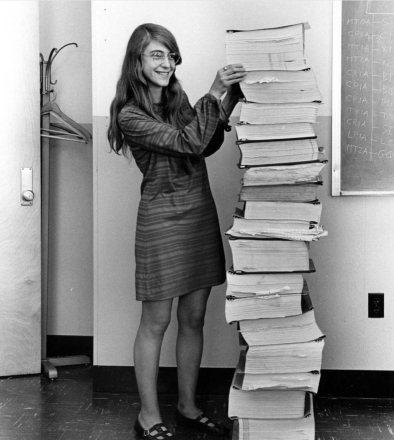
인류의 달 착륙 뒤에 있었던 여성 과학자…마거릿 해밀턴, 90세로 별세
1969년 7월 20일, 인류가 처음 달에 발을 내디딘 역사적인 순간에는 보이지 ... -
오바마 “책은 세상을 보는 방식을 바꾼다”…인생 바꾼 6권 다시 읽는다
버락 오바마 전 미국 대통령이 자신에게 깊은 영향을 준 책들을 다시 펼친다... -
UN 인권사무소, 말리 원주민 지도자 우무 디코 조명… “기후 정의와 원주민 권리 향상에 앞장”
유엔 인권사무소(UN Human Rights)가 7일 저녁 공식 X 계정을 통해 말리 출...
오피니언
more +-
![[남재철의 기후&식량안보⑳] 치유산업, 농촌의 미래를 바꾸는 새로운 성장동력](/data/news/202610/news_1791934095.1.png)
[남재철의 기후&식량안보⑳] 치유산업, 농촌의 미래를 바꾸는 새로운 성장동력
현대사회에서 건강과 행복은 더 이상 개인의 문제에 머물지 않는다. ... -
![[용석광의 컴플라이언스와 ESG] ㉝ CP 우수기업 인센티브 활용 전략: 혜택을 넘어 기업 가치 상승의 엔진으로](/data/news/202610/news_1791868278.1.png)
[용석광의 컴플라이언스와 ESG] ㉝ CP 우수기업 인센티브 활용 전략: 혜택을 넘어 기업 가치 상승의 엔진으로
공정거래 자율준수 프로그램(CP) 등급평가에서 AA 이상의 우수 등급을 획득한... -
![[강윤영의 사람을 살리는 콘텐츠] ② 불안의 시대, 나는 무엇을 선택할 것인가](/data/news/202610/news_1791762330.1.jpg)
[강윤영의 사람을 살리는 콘텐츠] ② 불안의 시대, 나는 무엇을 선택할 것인가
우리는 매일 수많은 정보를 만난다. 인공지능이 인간을 ... -
![[이경미의 AI와 미래공간 ①] AI가 바꾸는 공간, 인간의 삶](/data/news/202610/news_1791611453.1.jpg)
[이경미의 AI와 미래공간 ①] AI가 바꾸는 공간, 인간의 삶
사무실 책상에 앉아 인공지능(AI)과 함께 제안서를 작성하는 풍경은 이...
기획 / 탐방
more +-
![[ESG탐방] 농업 생산지가 관광 자원으로… 홋카이도 ‘패치워크 로드’와 ‘팜 토미타’가 보여준 농촌 경관의 가치](/data/news/202608/news_1788649267.1.jpeg)
[ESG탐방] 농업 생산지가 관광 자원으로… 홋카이도 ‘패치워크 로드’와 ‘팜 토미타’가 보여준 농촌 경관의 가치
일본 홋카이도 비에이의 ‘패치워크 로드’와 나카후라노의 ‘팜 토미... -
![[ESG탐방] 화산 지질이 만든 지하수의 흐름… 비에이 ‘시로가네 폭포’가 보여준 자연자산의 가치](/data/news/202608/news_1788185750.1.jpeg)
[ESG탐방] 화산 지질이 만든 지하수의 흐름… 비에이 ‘시로가네 폭포’가 보여준 자연자산의 가치
일본 홋카이도 비에이정의 시로가네 온천 지역에는 화산 지질과 지하수가 ... -
![[ESG탐방] 방재시설에서 관광자원으로... 자연과 함께 만들어진 홋카이도 비에이 ‘청의 호수’](/data/news/202608/news_1788183380.1.jpeg)
[ESG탐방] 방재시설에서 관광자원으로... 자연과 함께 만들어진 홋카이도 비에이 ‘청의 호수’
일본 홋카이도 비에이정에 위치한 청의 호수(아오이이케·青い池)는 처... -
![[ESG탐방] 아사히카와 디자인센터, 지역 산업을 지속가능한 자산으로 연결](/data/news/202608/news_1788189582.1.jpeg)
[ESG탐방] 아사히카와 디자인센터, 지역 산업을 지속가능한 자산으로 연결
일본 홋카이도 아사히카와시는 가구와 목공산업이 발달한 도시다. 홋카이도의 ...
포토뉴스
more +-

누구를 위한, 무엇을 위한 전쟁인가...가자지구에서 들려오는 마지막 외침
3일 (목요일) 가자지구는 또 다시 피로 물들었다. 이스라엘의 공습과 총격으로 단 이틀 만에 94명의 팔레스타인 민간인이 목숨을 잃었고, 이들 중 절반 가까운 45명은 단지 굶주림을 피하려 식량 배급소로 향하던 길에 있었을 뿐이라고 외신은 전했다. 병원 시체 안치실에서 자녀의 시... -
![[갤러리] 청년 환경예술가 오유나의 'Fragments of Self'](/data/news/202609/news_1790638962.1.jpg)
[갤러리] 청년 환경예술가 오유나의 'Fragments of Self'
〈Fragments of Self〉를 처음 구상했을 때 저는 무의식과 내면에 존재하는 여러 모습의 ‘나’를 보여주고 싶었습니다. 하나의 얼굴만으로는 경험과 기억, 감정에 따라 달라지는 저 자신을 설명하기 어렵다고 느꼈습니다. 그래서 여러 자화상과 신체, 방의 이미지를 겹쳐 하나의 인물을 만들기... -
![[갤러리] 청소년 환경예술가 이호석의 '대지의 호랑이'](/data/news/202608/news_1787014046.1.jpg)
[갤러리] 청소년 환경예술가 이호석의 '대지의 호랑이'
이 그림의 제목은 「대지의 호랑이」입니다. 저는 평소 호랑이를 좋아하고 강하고 멋있는 소재에 관심이 많아 호랑이를 작품의 주인공으로 선택했습니다. 이번 작품에서는 멸종위기종인 호랑이를 숲과 연결하여 자연과 환경에 대한 이야기를 담아보고 싶었습니다. 저는 호랑이가 건강하게... -
![[갤러리] 청소년 환경예술가 구시원의 '코끼리 가족의 약속'](/data/news/202607/news_1783294720.1.jpg)
[갤러리] 청소년 환경예술가 구시원의 '코끼리 가족의 약속'
저는 평소 코끼리를 가장 좋아해서 이 작품을 그리게 되었습니다. 코끼리는 초식동물 중에서도 몸집이 크고, 길고 힘있는 코와 멋진 상아를 가진 특별한 동물이라고 생각합니다. 그래서 다른 동물들보다 더욱 멋있고 매력적으로 느껴져 이번 작품의 주인공으로 선택했습니다. 그림을...